
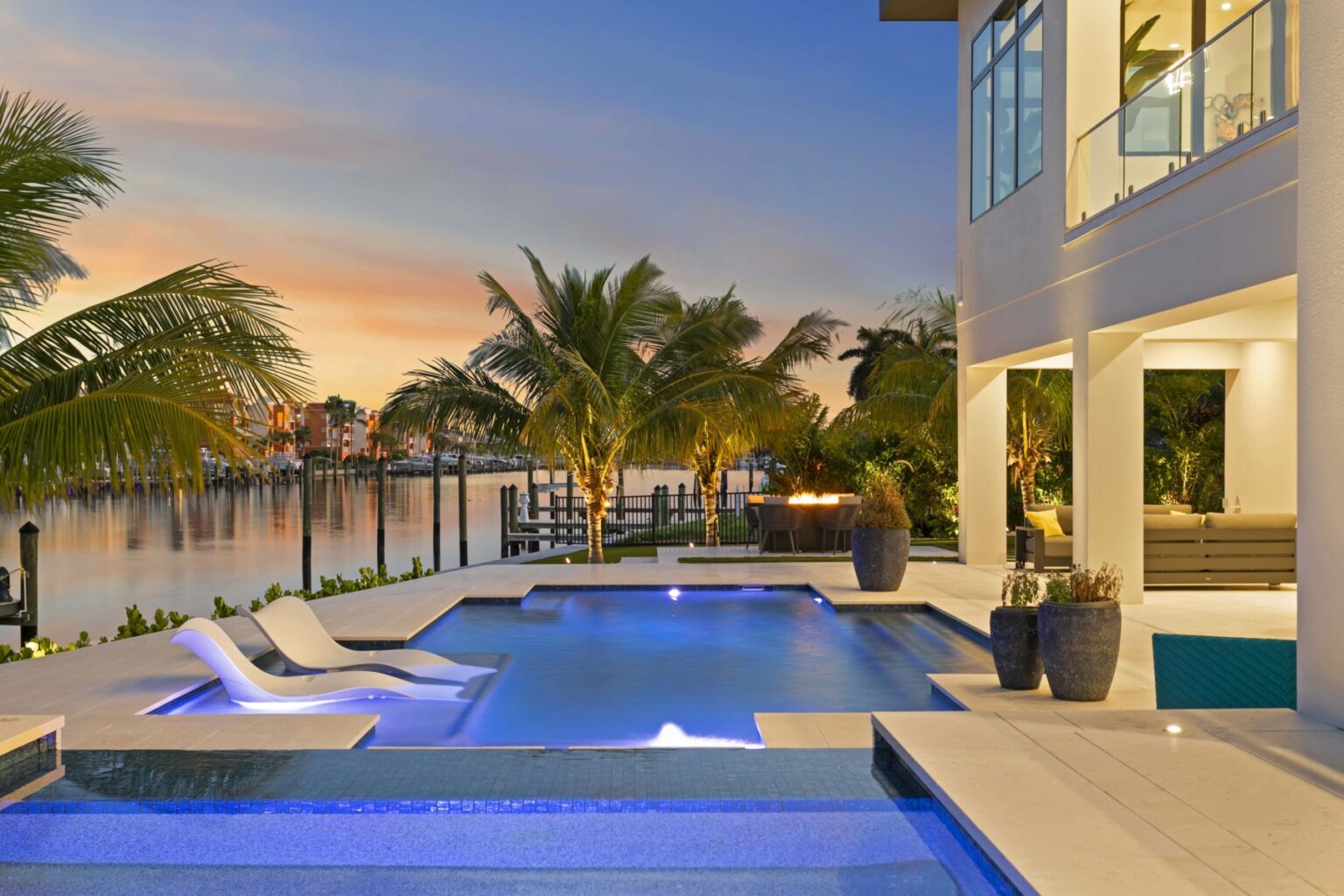
Gunite or fiberglass? It's the first big decision in any Pinellas County pool build. Here's a straight comparison from a pool team that's been building since 1956.
Last updated: October 2026
Short answer: In the gunite vs fiberglass pool debate, gunite wins on design freedom and fiberglass wins on speed and easy upkeep. Gunite is sprayed concrete over a steel frame, so it can be any shape, size or depth and handles custom features like sun shelves, raised spas and infinity edges. Fiberglass is a factory-made shell that installs faster and has a smooth, algae-resistant surface, but you pick from set shapes and sizes. For a custom Florida backyard, choose gunite; for a faster build with lower routine maintenance, choose fiberglass.
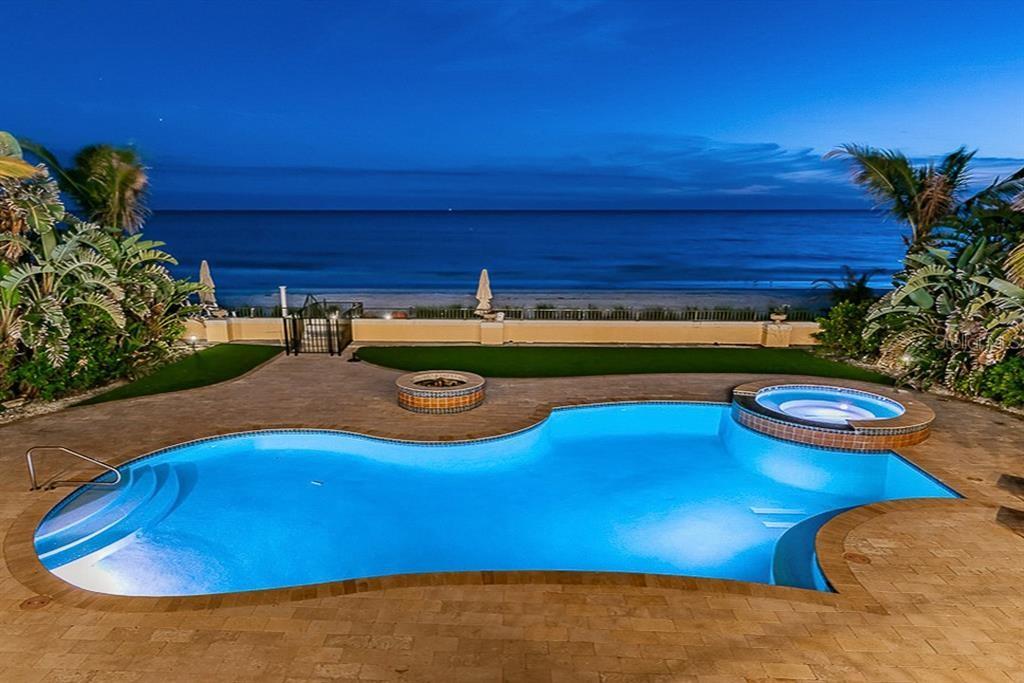
Curtis Pools builds both gunite and fiberglass pools. Here's how they compare on the things homeowners actually ask about.
How do gunite and fiberglass pools compare?
| Factor | Gunite | Fiberglass |
|---|---|---|
| Design flexibility | Any shape, size or depth | Set shapes and sizes |
| Build time | Longer — formed and cured on site | Shorter — shell arrives finished |
| Surface | Plaster, quartz or pebble finish | Smooth gelcoat |
| Algae resistance | Good with proper chemistry and brushing | Very good — non-porous surface |
| Custom features | Sun shelves, raised spas, infinity edges, beach entries | Limited to what the mold includes |
| Long-term upkeep | Interior resurfaced every several years | Less frequent surface work |
Why do so many custom Florida pools use gunite?
Gunite is one of the most durable and flexible construction methods available. Because the shell is shaped on site, it adapts to odd lot lines, slopes and waterfront setbacks — and it can include almost any feature you can sketch. Infinity edges, raised spas and beach entries like the ones in our project gallery call for that kind of flexibility.
What are the advantages of a fiberglass pool?
Fiberglass shells arrive ready to set, so installation moves faster. The smooth gelcoat is gentle on feet and resists algae, which means less brushing and often fewer chemicals. Fiberglass is a strong fit for homeowners who want a classic shape, a shorter timeline and lower routine maintenance.
Which pool type handles Florida conditions better?
Both perform well here when they're installed correctly. Pinellas County's sandy soil and high water table mean proper excavation, base preparation and drainage matter more than the shell type. That's why every Curtis Pools build starts with a property evaluation covering grading, drainage and sun exposure.
Which should you choose?
- Choose gunite if: you want a custom shape, a raised or spillover spa, a sun shelf, an infinity edge, or you're building on a waterfront or irregular lot.
- Choose fiberglass if: a standard shape works for your yard, you want the shortest build time, and low routine maintenance is a top priority.
- Not sure? Bring photos of pools you like to a free design consultation and we'll tell you which method gets you there.
Frequently Asked Questions
Is a gunite pool stronger than fiberglass?
Both are strong when properly installed. Gunite's steel-reinforced concrete gives excellent structural strength and lets us build larger and deeper custom pools.
Do fiberglass pools need resurfacing?
Much less often than gunite. Gunite interiors are refinished every several years; see our guide to pool remodeling and resurfacing for what that involves.
Which is more expensive?
It depends on size and features. A simple fiberglass pool and a simple gunite pool can be close; complex custom gunite designs cost more. Read what drives the cost of a new pool for the full breakdown.
Still deciding? Call Curtis Pools at (727) 559-7946 or schedule your free design consultation — Pinellas County's pool builder since 1956.