Curtis Pools
Free Quote
Curtis Pools · Since 1956

Commercial Pool Automation

Swimming pool project by Curtis Pools

Commercial Pool Automation for Facilities Across Pinellas County and Nearby Service Areas

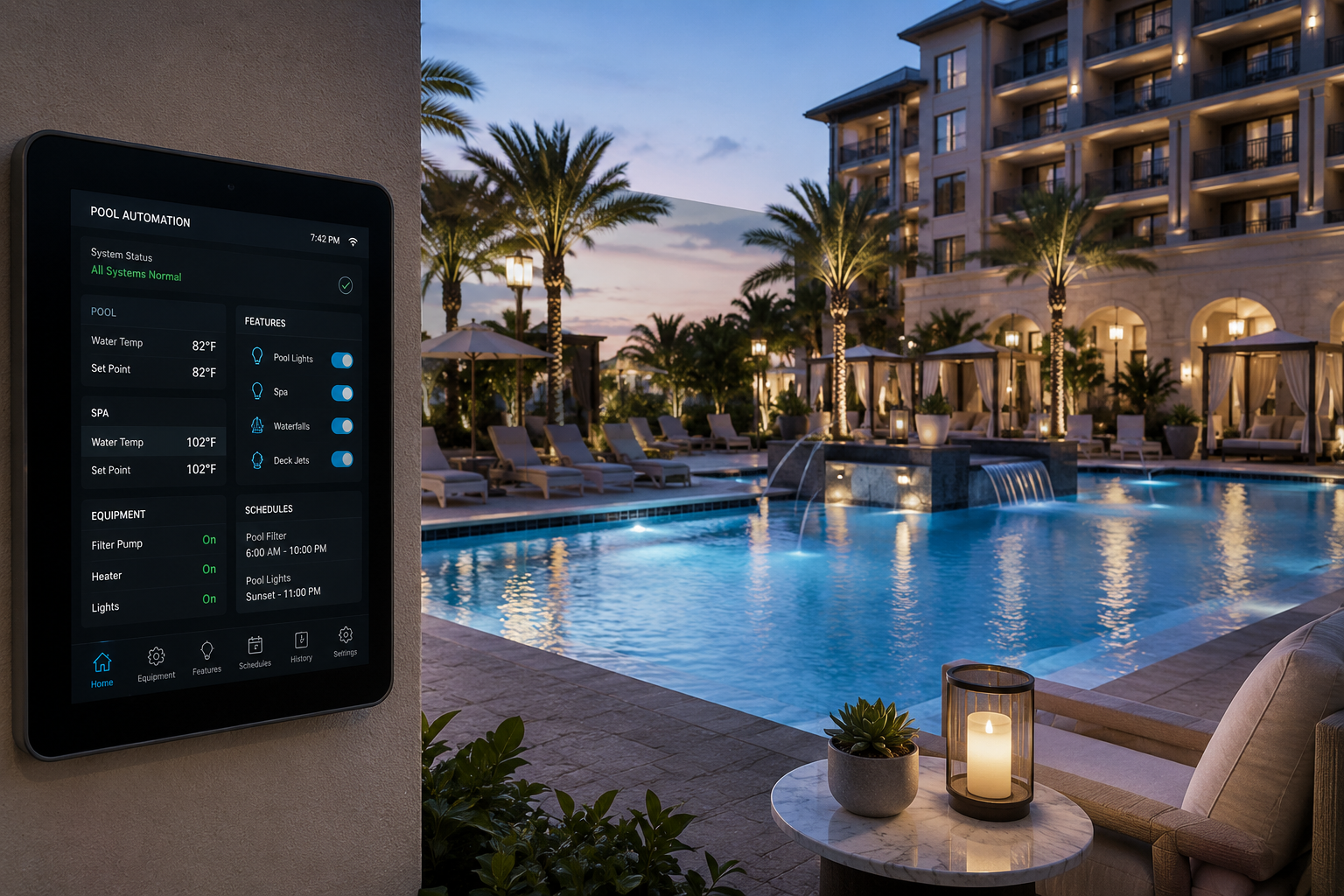
Commercial pool automation is not just about convenience—it’s about controlling variables that are otherwise difficult to manage consistently in high-use environments.

In a commercial setting, chemical demand changes hourly, not daily. Circulation needs shift based on usage patterns. Heating demand fluctuates with occupancy and weather. Relying on manual adjustments alone introduces variability, and variability is what leads to unstable water, inefficient equipment operation, and higher operating costs.

Automation is used to reduce that variability—but only when it is configured correctly and integrated with the rest of the system.

If your facility is dealing with inconsistent chemical readings, inefficient run times, or constant manual adjustments, you can evaluate a commercial pool automation system to determine whether automation would improve control or simply expose deeper system issues.
One of the most common misconceptions about commercial pool automation is that it “fixes” pool problems. It doesn’t. Automation follows instructions. It responds to sensor input and executes programmed behavior. If the system it is controlling is already unstable—due to poor circulation, surface condition, or equipment mismatch—automation will not correct those problems. In some cases, it can make them more noticeable or more frequent. For example: A sensor may detect low sanitizer levels and increase dosing But if circulation is uneven, that sanitizer may not distribute properly The system then continues to dose, increasing chemical use without stabilizing water quality This is why automation must be aligned with commercial pool maintenance and commercial pool equipment repair before it can perform effectively.

When the underlying system is functioning correctly, automation provides measurable advantages. It can: - Maintain consistent chemical levels - Adjust dosing based on real-time demand - Optimize pump run times - Regulate heating schedules - Coordinate multiple systems simultaneously - Reduce manual intervention In commercial pools, these benefits translate into: - More stable water conditions - Lower chemical waste - Reduced labor requirements - More predictable operating costs However, these outcomes depend on accurate inputs and proper configuration.

Automation relies heavily on sensors to measure water conditions. These sensors monitor: - pH levels - Oxidation-reduction potential (ORP) - Temperature - Flow conditions If sensors are: - Improperly calibrated - Exposed to inconsistent flow - Affected by debris or scaling - Installed in poor locations …the data they provide becomes unreliable. Unreliable data leads to incorrect dosing decisions, which can result in: - Overfeeding chemicals - Under-sanitizing the pool - Increased operating cost - Water that appears unstable despite automation Commercial pool automation must include ongoing sensor validation as part of the broader system.

In manually operated systems, pumps are often run on fixed schedules. Automation allows for more dynamic control, including: - Variable speed adjustments - Load-based runtime changes - Integration with chemical demand - Coordination with heating systems This can improve efficiency—but it also introduces complexity. If circulation patterns are already inconsistent, automation can amplify those inconsistencies. For example, reducing pump speed to save energy may reduce flow below what is needed for proper chemical distribution. This is why automation must be configured with a clear understanding of flow requirements, not just energy savings.

Automated chemical dosing systems respond to sensor readings, but those readings must be interpreted within context. Chemical demand is influenced by: - Bather load - Environmental exposure - Surface condition - Organic contamination - Circulation effectiveness Automation can maintain levels within a range, but it does not understand why demand is changing. For example: - A spike in demand could be due to heavy usage - Or it could be due to poor filtration - Or surface degradation Without understanding the cause, automation may continue to increase dosing without addressing the underlying issue. This is why automation works best when combined with proper commercial pool cleaning and system oversight. Commercial pool heating is one of the largest contributors to operating cost. Automation can improve efficiency by: Scheduling heating based on usage Preventing unnecessary runtime Coordinating heating with circulation Maintaining consistent temperature ranges However, heating efficiency is still dependent on: Proper flow rates Heater condition System configuration If these elements are not aligned, automation may not achieve the expected savings. Automation systems can introduce issues if they are: Installed without system evaluation Poorly calibrated Not maintained Over-relied upon without verification Common problems include: Chemical overcorrection Sensor drift leading to inaccurate readings Conflicts between manual and automated controls Misconfigured schedules Overcompensation for underlying system issues These issues often appear as “automation problems,” but they are usually configuration or system alignment problems. Many commercial pools were not originally designed for automation. Adding automation to an existing system requires evaluating: Equipment compatibility Plumbing layout Electrical capacity Sensor placement Flow consistency Retrofitting without addressing these factors can limit the effectiveness of the system. In some cases, additional updates or adjustments are needed to fully integrate automation. The real value of commercial pool automation is consistency. When properly implemented, it reduces variability in: Chemical balance Circulation behavior Heating cycles Equipment operation Reducing variability leads to: Fewer corrective interventions Lower long-term operating cost Improved water quality consistency Reduced wear on equipment However, automation does not replace the need for oversight. It supports a stable system—it does not create one. Complimentary Design & Planning We evaluate whether automation will improve your system—or expose issues that need to be addressed first. Exclusive Free Start-Up Package We establish proper calibration and baseline settings so automation operates correctly from the beginning. Locally Trusted Across the Region Experience across Largo and surrounding areas provides insight into usage patterns and environmental conditions affecting automation. Waterfront & Structural Specialists We account for external conditions that influence system behavior and automation effectiveness. Unmatched Craftsmanship & Customization Automation systems are configured to match your facility—not applied as a standard setup. In-House Team, No Shortcuts Integration, calibration, and system alignment are handled cohesively to avoid performance gaps.
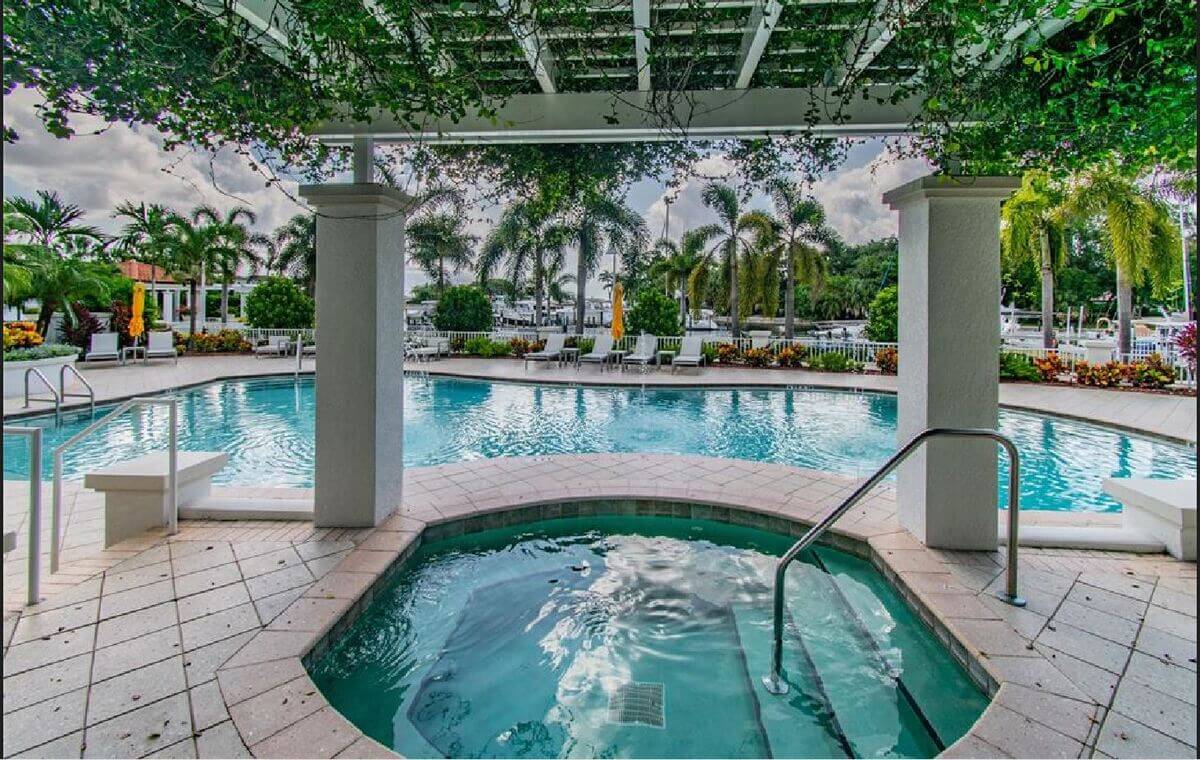
Community spa and pool beneath a columned pergola

Heating Control and Energy Efficiency

Commercial pool heating is one of the largest contributors to operating cost.
Automation can improve efficiency by:

  • Scheduling heating based on usage
  • Preventing unnecessary runtime
  • Coordinating heating with circulation
  • Maintaining consistent temperature ranges
  • Proper flow rates
  • Heater condition
  • System configuration

When Automation Creates New Problems

Automation systems can introduce issues if they are:

  • Installed without system evaluation
  • Poorly calibrated
  • Not maintained
  • Over-relied upon without verification
  • Chemical overcorrection
  • Sensor drift leading to inaccurate readings
  • Conflicts between manual and automated controls
  • Misconfigured schedules
  • Overcompensation for underlying system issues

Retrofitting Automation Into Existing Systems

Many commercial pools were not originally designed for automation.
Adding automation to an existing system requires evaluating:

  • Equipment compatibility
  • Plumbing layout
  • Electrical capacity
  • Sensor placement
  • Flow consistency

Automation and Long-Term System Stability

The real value of commercial pool automation is consistency.
When properly implemented, it reduces variability in:

  • Chemical balance
  • Circulation behavior
  • Heating cycles
  • Equipment operation
  • Fewer corrective interventions
  • Lower long-term operating cost
  • Improved water quality consistency
  • Reduced wear on equipment

Why Curtis Pools

70+ Years of Experience

We understand how commercial pool systems behave and where automation fits into long-term performance.

Complimentary Design & Planning

We evaluate whether automation will improve your system—or expose issues that need to be addressed first.

Exclusive Free Start-Up Package

We establish proper calibration and baseline settings so automation operates correctly from the beginning.

Locally Trusted Across the Region

Experience across Largo and surrounding areas provides insight into usage patterns and environmental conditions affecting automation.

Waterfront & Structural Specialists

We account for external conditions that influence system behavior and automation effectiveness.

Unmatched Craftsmanship & Customization

Automation systems are configured to match your facility—not applied as a standard setup.

In-House Team, No Shortcuts

Integration, calibration, and system alignment are handled cohesively to avoid performance gaps.
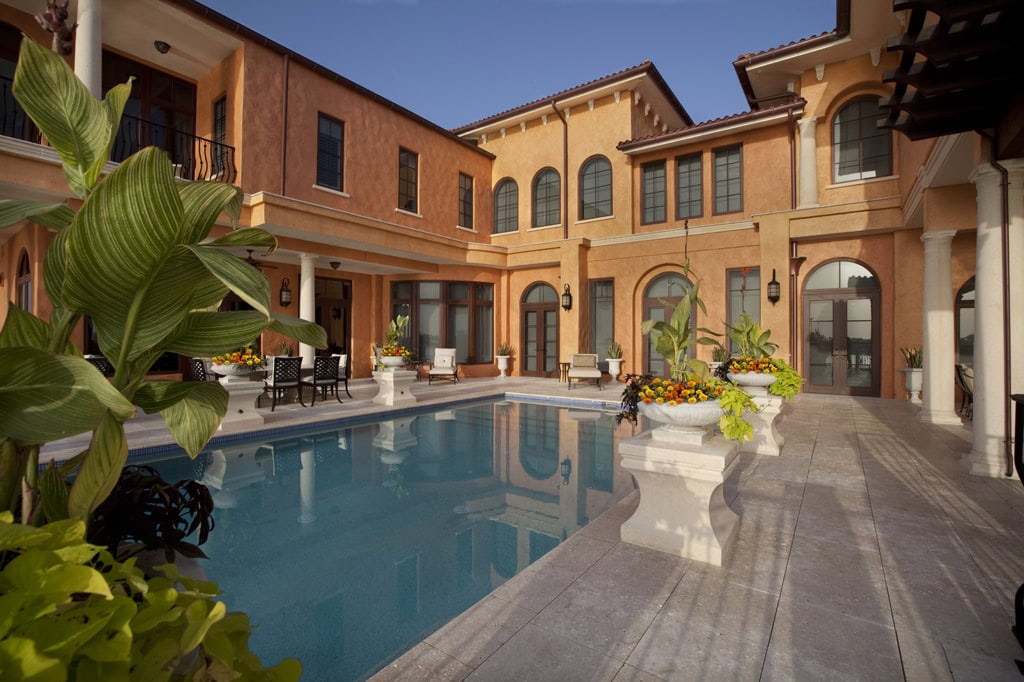
Swimming pool project by Curtis Pools

Frequently Asked Questions

Automation systems manage chemical dosing, pump operation, heating schedules, and system coordination.

No. It reduces variability but still requires monitoring, calibration, and system oversight.

Yes, when properly configured. It helps avoid overfeeding and maintains consistent levels.

Incorrect readings can lead to improper dosing and unstable water conditions.

Not always. The system must be stable enough for automation to be effective.

Yes, but compatibility and system condition must be evaluated first.

It can improve consistency, but it depends on overall system performance.

Over-reliance without verifying system performance or sensor accuracy. Commercial pool automation should make your system easier to manage—not more complicated. If your current setup relies heavily on manual adjustments or produces inconsistent results, automation may be part of the solution—but only if the system is ready for it. You can contact us for a free consultation to determine whether automation will improve control or whether other adjustments should come first. Get a Free Quote License: #CPC1460218 Contact Us (727) 559-7946 150 Commerce Dr N, Largo, FL 33770 Hours of Operation: Mon-Thurs 8am – 4pm Friday 8am – 12pm
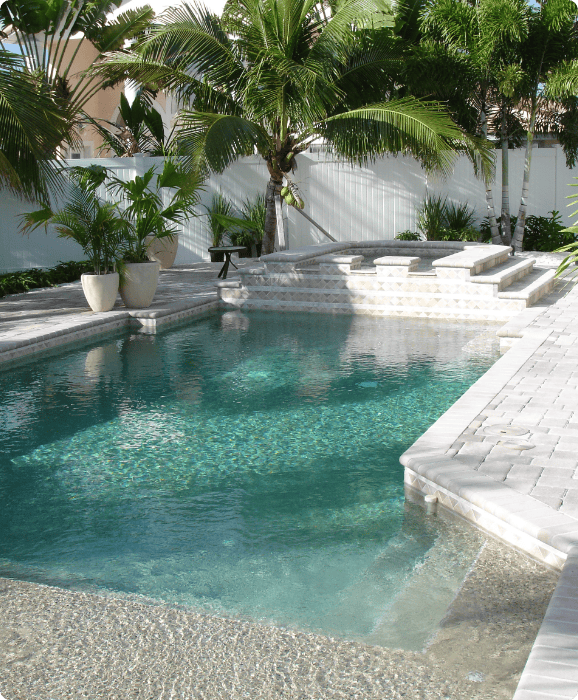
Freeform pool with a raised spa and travertine deck, enclosed by a white privacy wall and potted palms
Free consultation

Improve Control Without Creating New Problems

Commercial pool automation should make your system easier to manage—not more complicated.

If your current setup relies heavily on manual adjustments or produces inconsistent results, automation may be part of the solution—but only if the system is ready for it.

You can contact us for a free consultation to determine whether automation will improve control or whether other adjustments should come first.