
Rough on the feet? Stains that won't brush out? Your pool may be telling you something. Here are the signs it's time to resurface — and what happens if you wait.
Last updated: October 2026
Short answer: Your pool needs resurfacing when the interior finish feels rough or scratchy, shows cracks or chipping, has stains that won't brush out, has loose or damaged tile, or keeps throwing your water chemistry off balance. These signs mean the finish is wearing through and starting to absorb water and chemicals. In Pinellas County's year-round swim season, waiting usually turns a resurfacing job into a bigger repair. A free inspection will tell you which you need.
Curtis Pools has been caring for Pinellas County pools since 1956. These are the signs we look for first.
Why does the pool surface feel rough?
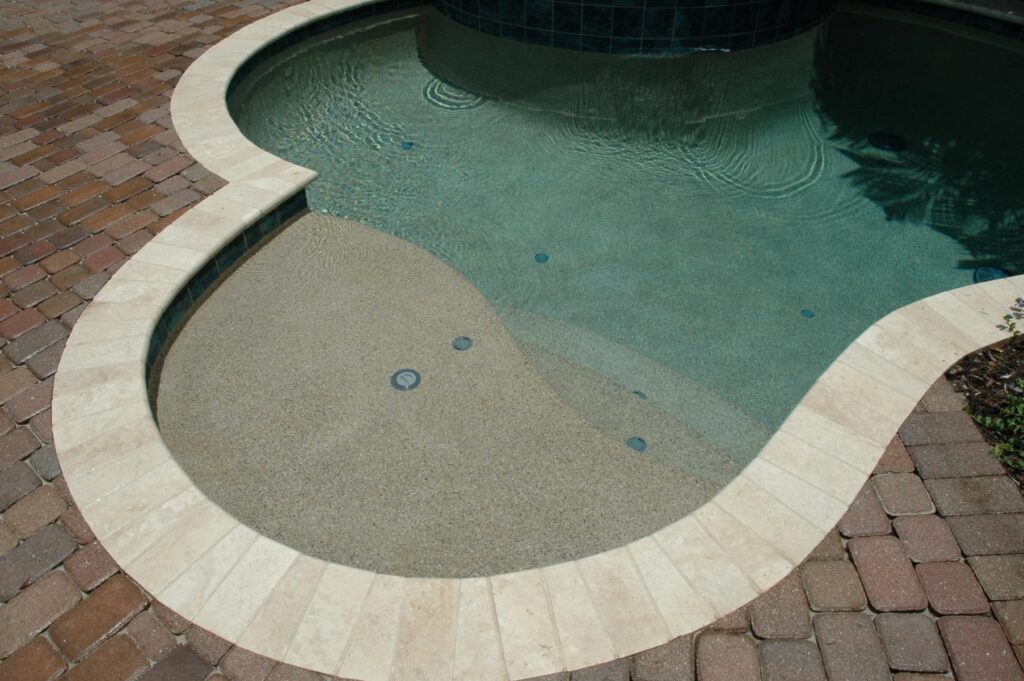
A rough, sandpaper feel is the most common early sign. Over time, the top layer of plaster wears away and exposes the aggregate underneath. Rough surfaces scrape feet, snag swimsuits and give algae more places to grab hold.
Are cracks in a pool surface serious?
Small surface cracks (often called crazing) are cosmetic at first, but they let water reach the layers beneath. Larger cracks or hollow-sounding spots can signal delamination — the finish separating from the shell. Either way, it's worth having a pro look before it spreads.
What causes stains that won't come out?
Metals in the water, leaves, and years of chemical swings all leave marks. Once stains set into a worn, porous finish, brushing and chemical treatments stop working. Resurfacing gives you a clean, sealed surface again.
Why is my pool water hard to keep balanced?
An aging plaster finish can affect water balance — pH and alkalinity drift, and you end up adding more chemicals to keep things clear. If your water chemistry is a constant fight, the surface may be part of the problem, not just the water.
What about loose tile or an outdated look?
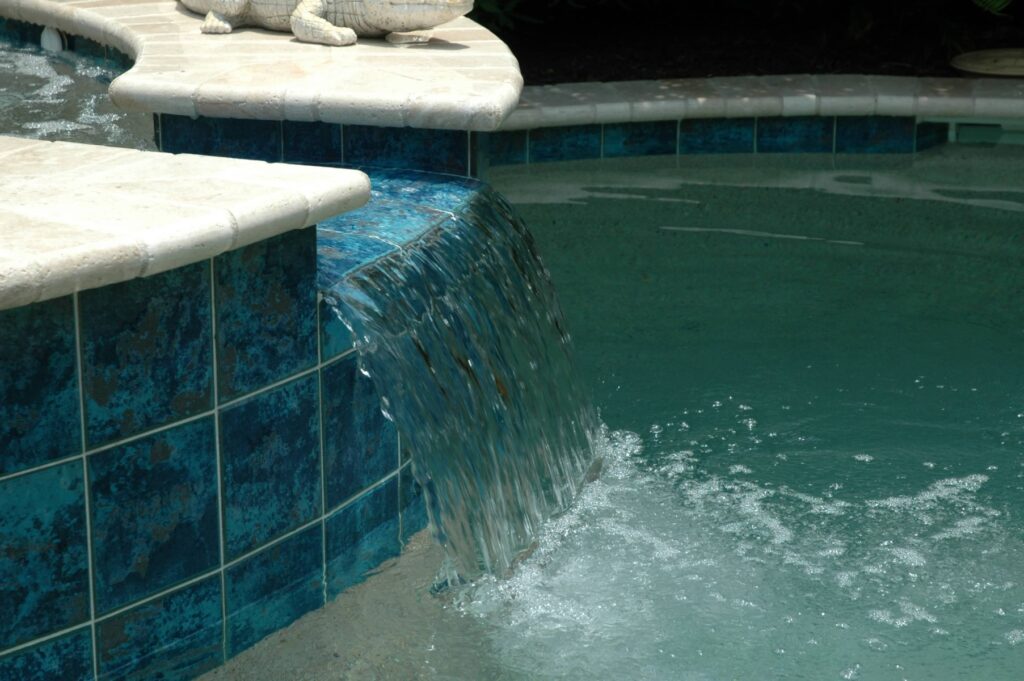
Popped or cracked waterline tile lets water behind the tile line. And if the pool simply looks dated, resurfacing is a natural time to update tile and coping too. If you're also thinking about new features or layout changes, that moves into remodeling — see our pool remodeling and resurfacing page.
How long does pool resurfacing take?
Most projects take several weeks from draining to refilling and start-up, depending on the finish you choose and the condition of the shell. We start with a free consultation so you know the scope before any work begins.
Frequently Asked Questions
How often does a pool need resurfacing?
It depends on the finish and how well the water has been kept. Standard plaster wears fastest; quartz and pebble finishes last longer. Regular pool maintenance helps any finish go the distance.
Can I just patch a few spots?
Small repairs are sometimes possible, but patches rarely match and the surrounding finish is usually just as worn. We'll tell you honestly which makes sense.
Do you resurface pools you didn't build?
Yes. We resurface pools across Pinellas County, including Largo, Seminole and Clearwater.
Not sure if it's time? Call Curtis Pools at (727) 559-7946 or schedule your free pool inspection — no pressure, just honest answers since 1956.