Curtis Pools
Free Quote
Curtis Pools · Since 1956

Swimming Pool Tile Installation

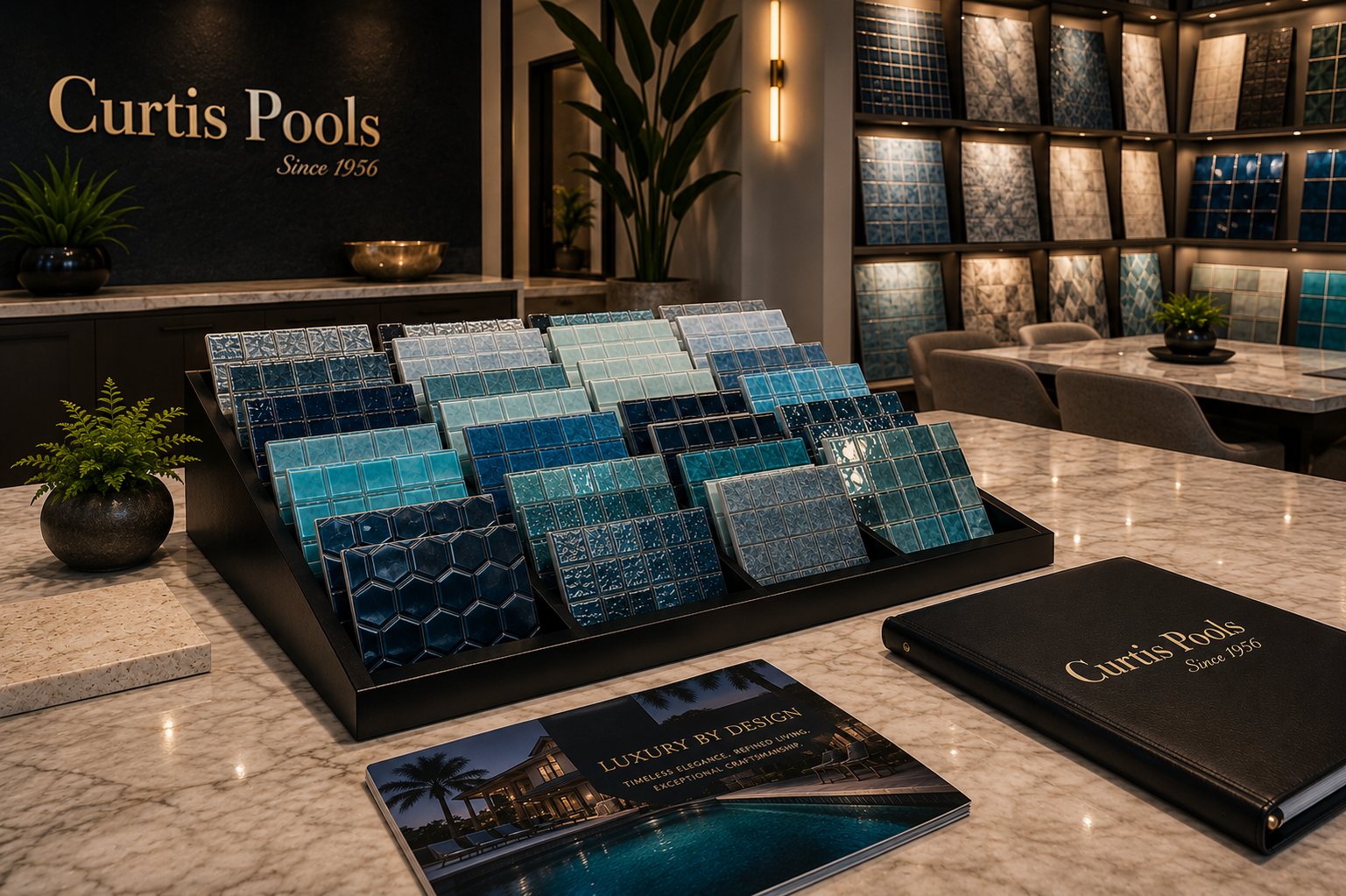
Pool finish and tile samples displayed in the Curtis Pools showroom

Upgrade Pool Tile Across the Largo Area, Pinellas County, and Nearby Coastal Communities

Pool tile does more than add color. It defines the waterline, protects exposed edges, frames the pool visually, and ties the interior finish into the rest of the outdoor space. When tile is chosen and installed correctly, it makes the pool feel finished. When it is outdated, poorly matched, or improperly installed, it can make even a well-built pool look neglected.

Curtis Pools provides custom pool tile installation for homeowners throughout the Largo area, Pinellas County, and nearby coastal communities. Whether you’re building a new pool, remodeling an older one, replacing dated waterline tile, or coordinating tile with coping, decking, lighting, and resurfacing, the goal is to install tile that looks sharp and performs well under real pool conditions.

If you’re comparing tile options or planning a broader pool upgrade, you can request a pool tile consultation and get guidance on materials, layout, color, and installation scope before making final selections.

Why Pool Tile Selection Matters

Tile is one of the most visible finish details in a swimming pool. It draws the eye because it sits right at the waterline, where sunlight, reflection, surface finish, and pool color all meet.

The right tile can:

  • Modernize an older pool
  • Create contrast against the water
  • Complement coping and decking
  • Protect the waterline from wear
  • Improve the overall design balance

The wrong tile can feel mismatched, dated, too busy, or difficult to maintain. Selection should account for appearance, durability, texture, exposure, and how the tile will look once water, light, and surrounding materials are involved.
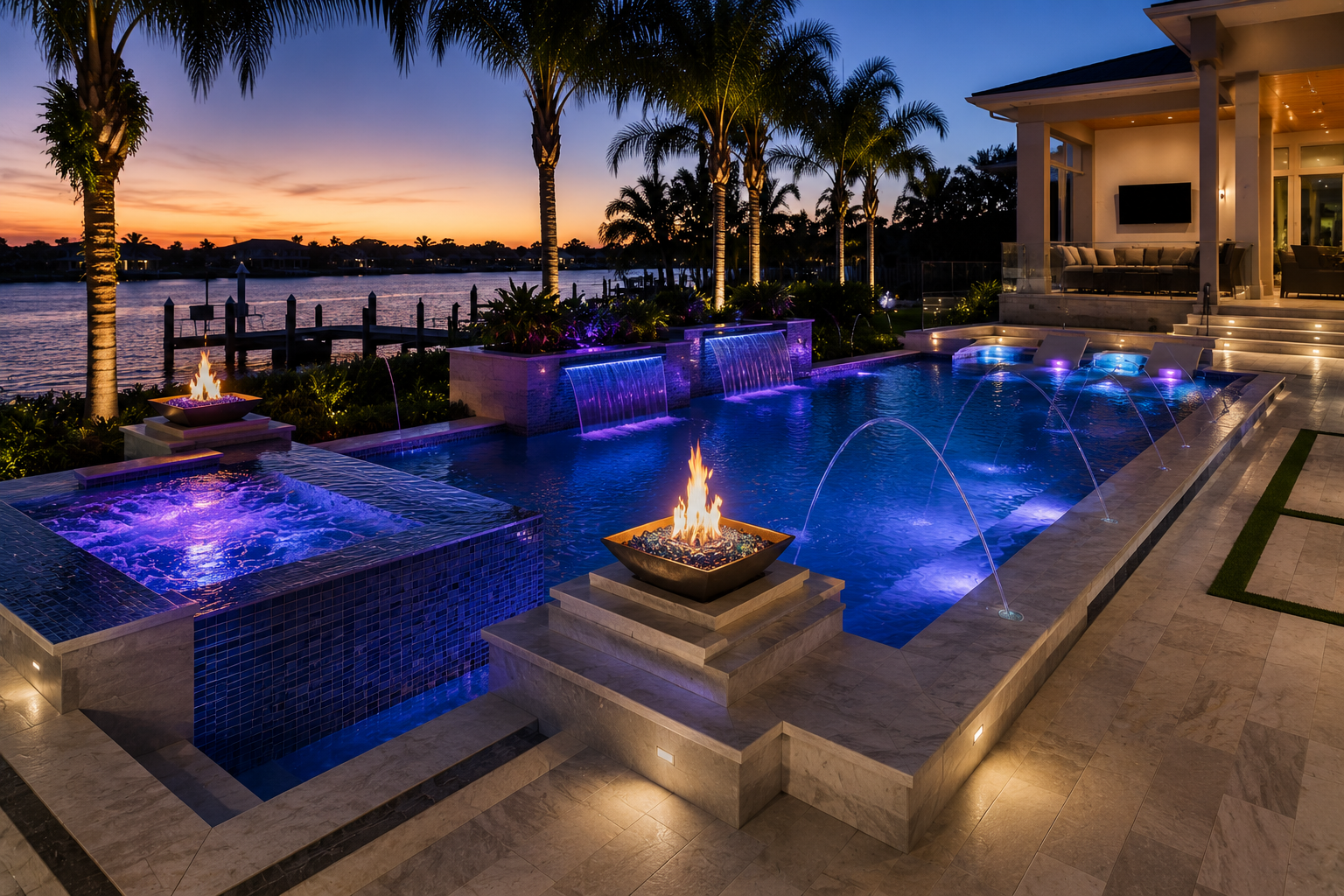
Illuminated pool at sunset with fire bowls, deck jets and a raised spa

Waterline Tile Installation

Waterline tile is the most common and important pool tile application. It sits along the top interior edge of the pool and helps create a clean transition between the pool surface and the coping.

Waterline tile helps:

  • Protect the surface at the waterline
  • Reduce visible staining
  • Improve cleanability
  • Create a finished design edge
  • Add color, texture, or contrast

Because this area is constantly exposed to water movement, chemicals, sun, and calcium buildup, installation quality matters. Poor bonding, uneven layout, or weak grout work can lead to loose tile, staining, or premature failure.

If existing waterline tile is damaged rather than simply outdated, the project may overlap with swimming pool tile repair before new installation begins.

Tile Materials and Design Options

Pool tile comes in many styles, and each option creates a different look and maintenance profile.

Glass Tile

Glass tile is popular for high-end pool designs because it reflects light beautifully and creates vibrant waterline effects. It works especially well in modern pools, spa spillways, water features, and accent areas.
Glass tile can deliver a luxury finish, but it requires careful installation. Alignment, bonding, and grout consistency are critical because imperfections are more visible.

Porcelain and Ceramic Tile

Porcelain and ceramic tile are durable, versatile, and available in a wide range of colors and patterns. These materials are commonly used for waterline applications and can work with both modern and traditional pool designs.
They are often a strong choice for homeowners who want durability, style variety, and practical long-term performance.

Stone-Look Tile

Stone-look tile provides a natural appearance without always carrying the same maintenance considerations as natural stone. It can pair well with travertine decking, neutral coping, and lagoon-inspired designs.
This option is useful when the goal is a warmer, softer, more organic visual style.

Tile does not exist on its own. It sits directly below coping and visually connects to the deck, patio, and surrounding finishes. A strong tile plan considers: Coping color and texture Decking material Interior pool finish Home exterior color Lighting design Water color and reflection For example, a bright glass tile may look striking against a modern deck, while a softer neutral tile may better fit a natural stone or travertine environment. If you’re also updating the pool edge, coordinating tile with coping installation helps create a more finished, intentional result. For larger outdoor upgrades, tile should also be considered alongside pool decking so the whole pool area feels cohesive instead of pieced together.

Many homeowners replace tile during a larger pool project because the pool is already drained, prepped, and being updated. Tile installation pairs naturally with: - Pool resurfacing - Pool remodeling - Coping replacement - Water feature upgrades - Lighting improvements Doing tile at the same time as resurfacing or remodeling reduces repeated downtime and helps ensure finish transitions line up properly. It also gives you the chance to rethink the pool’s full visual direction instead of replacing one element in isolation.

Tile can be used beyond the waterline to create detail and definition throughout the pool. Common accent areas include: - Spa walls and spillways - Step edges - Benches and ledges - Raised walls - Water feature faces - Infinity edge details Accent tile is especially useful when you want to highlight elevation changes, improve visibility on steps, or create a high-end focal point. For example, tile can be used around spa spillways to make the water movement feel more intentional and refined. When paired with LED pool lighting, tile can also create a dramatic nighttime effect, especially with glass or reflective finishes.

Pool tile installation is not just a design task. It is a technical installation exposed to water, chemicals, sun, and movement. Proper installation requires: - Clean substrate preparation - Correct bonding materials - Careful layout and alignment - Consistent grout spacing - Proper sealing and finishing - Attention to expansion and movement If the surface is not prepared correctly, even high-quality tile can fail. If grout is inconsistent, the waterline can look uneven. If bonding is weak, tile can loosen over time. The goal is not just to make the tile look good on day one. It should stay secure, aligned, and clean-looking through years of pool use.

Waterline tile is exposed to evaporation, minerals, and chemical fluctuation. Over time, calcium deposits can form along the tile line, especially when water chemistry is not properly controlled. Choosing the right tile and maintaining balanced water helps reduce: - Scaling - Staining - Grout discoloration - Surface buildup - Cleaning difficulty If your pool has recurring scale or waterline staining, it may be worth evaluating chemistry through swimming pool water analysis before installing new tile. Otherwise, the same issue may return. Tile repair is the right choice when damage is limited. Full tile installation or replacement is usually better when the existing tile is outdated, mismatched, or failing across multiple areas. Full installation may be the better option if: Tile is loose in several sections Matching the old tile is difficult Grout is failing throughout the waterline Calcium buildup is severe The design no longer matches the pool You’re already resurfacing or remodeling In those cases, replacing the tile system gives a cleaner result than trying to patch isolated areas. Water features create additional movement and exposure, so tile must be selected and installed with that environment in mind. Tile may be used around: Sheer descents Raised walls Spillways Waterfalls Bubblers Infinity edges If you’re planning swimming pool water feature construction, tile becomes part of the feature’s visual identity. It must also hold up to constant water flow, mineral exposure, and cleaning. After installation, your pool tile should: Look aligned and consistent Complement the pool finish and coping Hold up under chemical and sun exposure Reduce visible waterline wear Be easier to clean and maintain Add visual definition without overwhelming the space Good tile installation should feel integrated. It should not look like an afterthought or a separate design decision disconnected from the rest of the pool. Complimentary Design & Planning We help homeowners compare tile styles, colors, materials, and layout options before installation begins. Exclusive Free Start-Up Package Includes one month of service and Pool Patrol safety features with qualifying new pool projects. Locally Trusted Across the Region Curtis Pools serves homeowners throughout Largo, Pinellas County, and nearby coastal communities with long-term pool solutions. Waterfront & Structural Specialists We understand how moisture, exposure, drainage, and coastal conditions affect pool finishes and detail work. Unmatched Craftsmanship & Customization Tile is selected and installed around the pool’s design, materials, and intended use—not treated as a generic finish. In-House Team, No Shortcuts Our team manages installation details carefully, from prep and layout to bonding, grout, and finish alignment. Industry Innovation Leaders We incorporate modern materials, lighting coordination, and design techniques that help pool finishes perform better and look more refined.
Pool finish and tile samples displayed in the Curtis Pools showroom

When Tile Installation Is Better Than Tile Repair

Tile repair is the right choice when damage is limited. Full tile installation or replacement is usually better when the existing tile is outdated, mismatched, or failing across multiple areas.
Full installation may be the better option if:

  • Tile is loose in several sections
  • Matching the old tile is difficult
  • Grout is failing throughout the waterline
  • Calcium buildup is severe
  • The design no longer matches the pool
  • You’re already resurfacing or remodeling

Planning Tile Around Water Features

Water features create additional movement and exposure, so tile must be selected and installed with that environment in mind.
Tile may be used around:

  • Sheer descents
  • Raised walls
  • Spillways
  • Waterfalls
  • Bubblers
  • Infinity edges

What a Proper Tile Installation Should Deliver

After installation, your pool tile should:

  • Look aligned and consistent
  • Complement the pool finish and coping
  • Hold up under chemical and sun exposure
  • Reduce visible waterline wear
  • Be easier to clean and maintain
  • Add visual definition without overwhelming the space

Why Curtis Pools

70+ Years of Experience

Curtis Pools brings decades of experience designing, remodeling, resurfacing, and finishing pools throughout Florida’s coastal environment.

Complimentary Design & Planning

We help homeowners compare tile styles, colors, materials, and layout options before installation begins.

Exclusive Free Start-Up Package

Includes one month of service and Pool Patrol safety features with qualifying new pool projects.

Locally Trusted Across the Region

Curtis Pools serves homeowners throughout Largo, Pinellas County, and nearby coastal communities with long-term pool solutions.

Waterfront & Structural Specialists

We understand how moisture, exposure, drainage, and coastal conditions affect pool finishes and detail work.

Unmatched Craftsmanship & Customization

Tile is selected and installed around the pool’s design, materials, and intended use—not treated as a generic finish.

In-House Team, No Shortcuts

Our team manages installation details carefully, from prep and layout to bonding, grout, and finish alignment.

Industry Innovation Leaders

We incorporate modern materials, lighting coordination, and design techniques that help pool finishes perform better and look more refined.

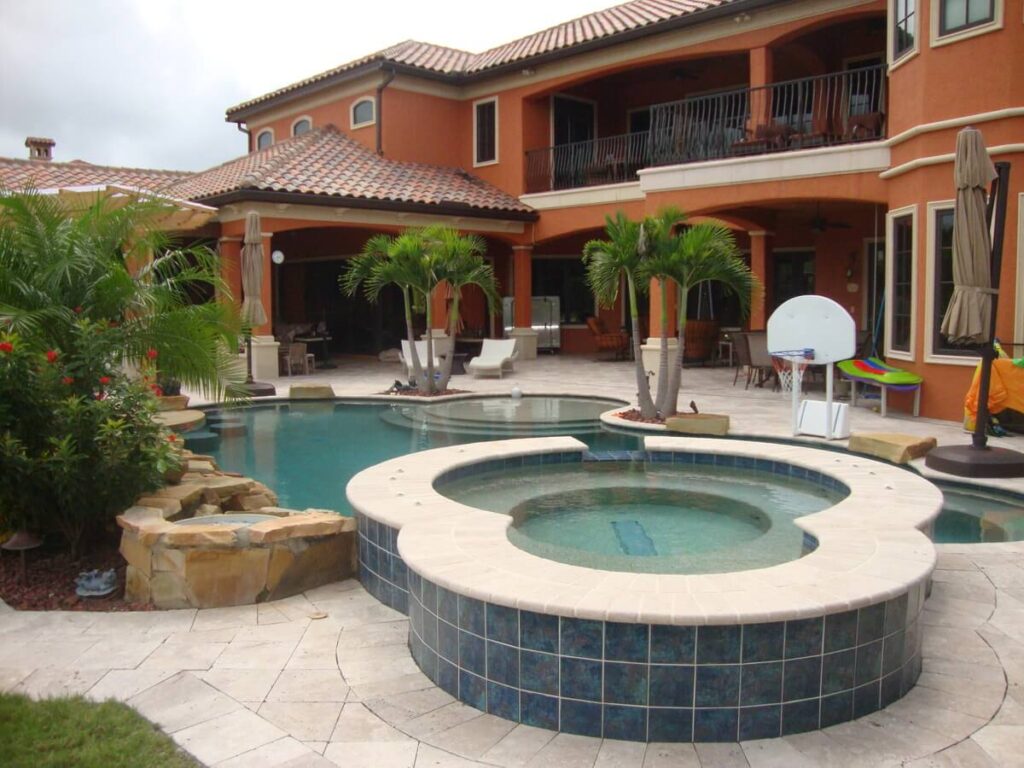
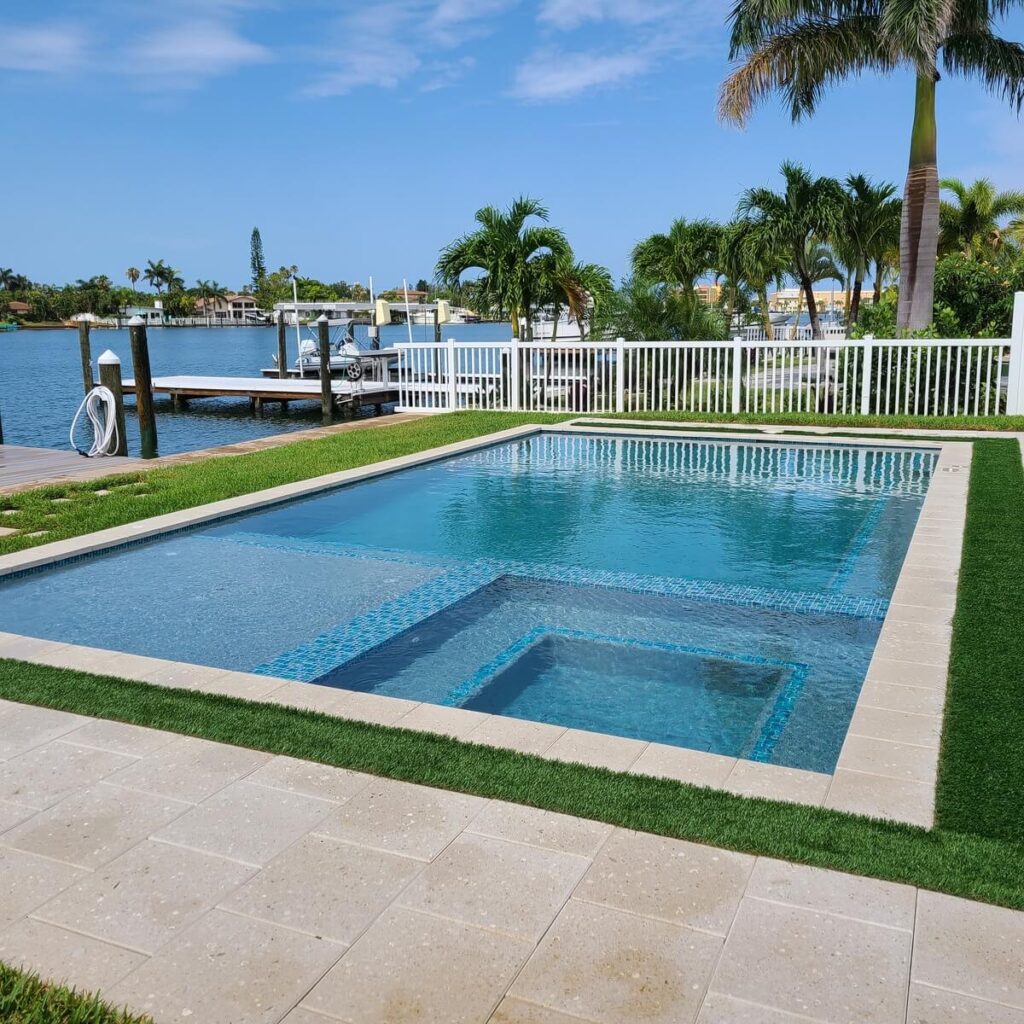
Rectangular pool with a raised spa beside a seawall and private dock

Frequently Asked Questions

Porcelain, ceramic, glass, and certain stone-look tiles are commonly used for pools, but the best choice depends on the application. Waterline tile needs to handle constant water exposure, chemical contact, sunlight, and cleaning. Glass tile can create a high-end look, while porcelain and ceramic offer strong durability and wide design flexibility.

Yes. Waterline tile can often be replaced without changing the entire pool surface, but the surrounding finish, coping, and grout condition should be evaluated first. If the surface or coping is also worn, combining the work may create a cleaner and longer-lasting result.

Often, yes. Resurfacing is one of the best times to replace tile because the pool is already drained and prepared for finish work. Replacing tile at the same time helps avoid mismatched transitions and reduces the need for repeated downtime later.

Tile can loosen because of poor bonding, aging materials, water intrusion, structural movement, or chemical imbalance. Before installing new tile, the underlying surface should be inspected so the same issue does not repeat.

Glass tile can be highly durable and visually striking, but it needs careful installation and consistent maintenance. Because it reflects light and has a premium appearance, flaws in alignment, grout, or buildup may be more noticeable than with simpler tile styles.

Yes. Waterline tile is one of the most visible pool details, and replacing it can significantly modernize the entire space. The effect is even stronger when tile is coordinated with resurfacing, coping, decking, or lighting upgrades.

Calcium buildup is usually tied to water chemistry, evaporation, and mineral concentration. Maintaining proper pH, alkalinity, and calcium hardness helps reduce scaling. If buildup has been a recurring issue, water analysis should be part of the planning process before new tile is installed.

Yes. Tile is often used to finish spillways, raised walls, fountains, and other water features. In these areas, installation quality is especially important because the tile is exposed to continuous water movement and mineral deposits. Pool tile is one of the most important finishing details in the entire design. It should complement the pool, protect the waterline, and hold up under Florida conditions. If you’re ready to update outdated tile or plan a new installation, get help choosing the right pool tile and build a finish that works with the full design. Get a Free Quote License: #CPC1460218 Contact Us (727) 559-7946 150 Commerce Dr N, Largo, FL 33770 Hours of Operation: Mon-Thurs 8am – 4pm Friday 8am – 12pm
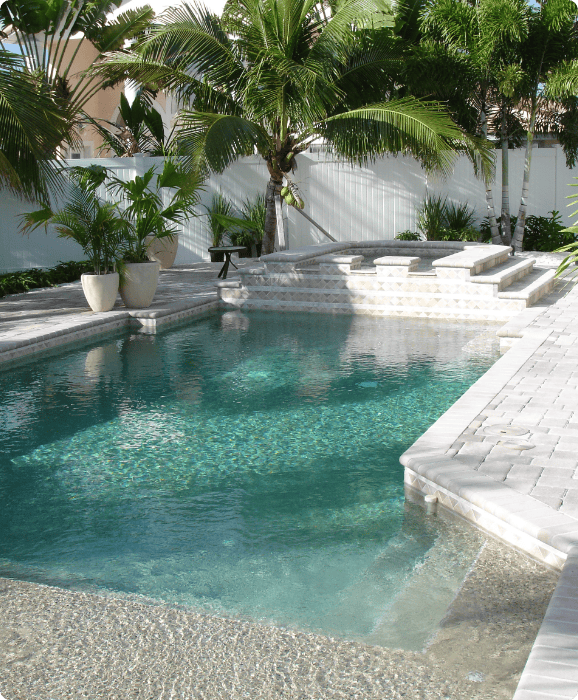
Freeform pool with a raised spa and travertine deck, enclosed by a white privacy wall and potted palms
Free consultation

Finish Your Pool With Tile That Looks Right and Lasts

Pool tile is one of the most important finishing details in the entire design. It should complement the pool, protect the waterline, and hold up under Florida conditions.

If you’re ready to update outdated tile or plan a new installation, get help choosing the right pool tile and build a finish that works with the full design.