Install a Salt Chlorinator System That’s Properly Sized and Configured for Pools Throughout the Largo Area and Greater Pinellas Region
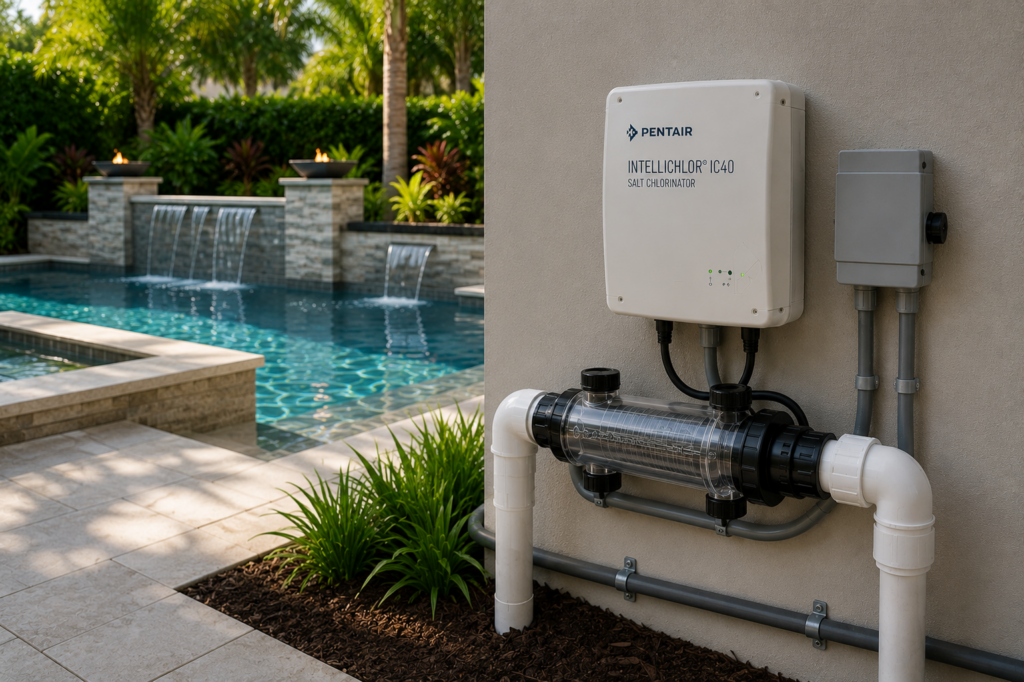
Most salt systems don’t fail because of the technology—they fail because of how they’re installed.
An undersized cell, poor placement in the plumbing line, incorrect flow rate, or lack of integration with pump schedules can all lead to weak chlorine production, constant errors, or a system that never feels dialed in.
Salt chlorinator installation isn’t just adding a component. It’s configuring a system so chlorine production matches real-world demand.
Curtis Pools installs salt chlorinators for homeowners across the Largo area and Pinellas County, focusing on correct sizing, placement, and system calibration so the equipment actually performs the way it’s supposed to.
If you’re planning to add a salt system, you can get a system sizing and setup recommendation before choosing equipment.
Why Installation Quality Matters More Than the Equipment Itself
Two pools can use the same chlorinator—and perform completely differently.
The difference usually comes down to:
- Flow rate through the cell
- Pump runtime
- Placement within the plumbing system
- Cell sizing relative to pool volume
- Chlorine production falls short
- Systems overwork and wear faster
- Water quality becomes inconsistent
Proper Salt Chlorinator Sizing
Sizing is one of the most overlooked parts of installation.
A chlorinator should be sized above the pool’s actual volume to account for:
- Florida heat and UV exposure
- High swimmer load
- Rain dilution
- Daily chlorine demand fluctuations
- Struggle to maintain sanitizer levels
- Run at maximum output constantly
- Wear out faster
Where the Chlorinator Should Be Installed
Placement within the plumbing line matters.
A properly installed chlorinator is typically:
- Positioned after the filter
- Installed downstream of heaters
- Located where flow is stable and consistent
- Reduce chlorine production efficiency
- Cause scaling or buildup
- Interfere with other equipment
Flow Rate and Pump Runtime
Salt systems only produce chlorine when water is moving through the cell.
That means:
- Pump runtime must be long enough
- Flow must meet system requirements
- Circulation must be consistent
- Chlorine levels drop
- Water quality fluctuates
- This is where integration with
smart pool automation
becomes valuable—it allows output and runtime to be balanced properly.
Integration With Existing Equipment
Salt chlorinator installation has to account for the full system.
Key considerations include:
Pool heaters (sensitive to water chemistry and flow order)
Plumbing configuration
Electrical bonding and grounding
Automation compatibility
Skipping integration steps is one of the fastest ways to shorten equipment lifespan.
Salt Levels and Initial Calibration
After installation, the system must be calibrated—not just turned on.
This includes:
- Setting correct salt concentration
- Adjusting output levels
- Matching production to pool usage
- Verifying stable chlorine levels over time
- Without calibration, even a properly installed system can feel inconsistent.
Common Installation Mistakes to Avoid
Most salt system complaints trace back to installation issues.
The most common ones:
- Installing an undersized unit
- Incorrect placement in plumbing
- Ignoring flow requirements
- Failing to adjust pump schedules
- Skipping initial calibration
Fixing these after the fact is more difficult than getting them right upfront.
How Installation Impacts Long-Term Maintenance
A well-installed system reduces effort. A poorly installed one increases it.
When installed correctly:
- Chlorine levels remain stable
- Maintenance becomes predictable
- Equipment lasts longer
When installed incorrectly:
- Cells require frequent cleaning
- Chlorine production becomes inconsistent
- Errors and system issues increase
- Installation quality directly affects ownership experience.
Material and Finish Considerations
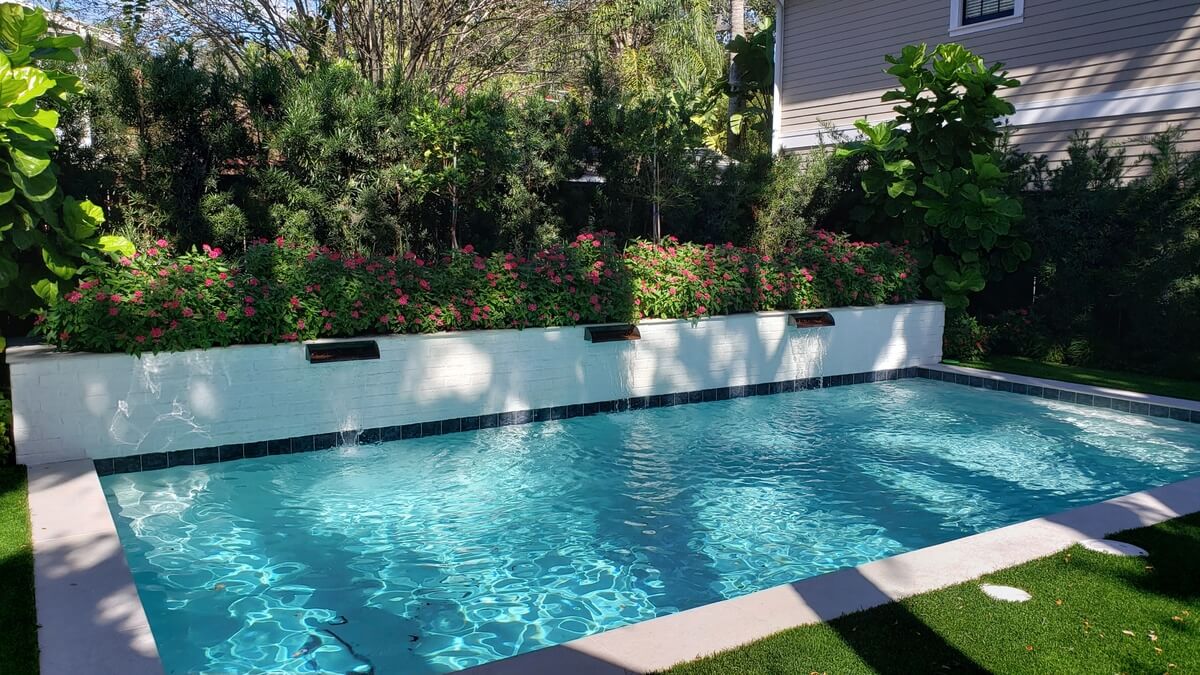
Salt systems interact with surrounding materials over time.
Important areas to consider:
- Tile and grout durability
- Coping material compatibility
- Decking exposure near splash zones
What a Proper Salt Chlorinator Installation Should Deliver
After installation, the system should:
- Maintain consistent chlorine levels
- Operate without frequent adjustments
- Integrate cleanly with pump and filtration systems
- Avoid constant max-output operation
- Run without recurring errors
Why Curtis Pools
70+ Years of Experience
Complimentary Design & Planning
We size and configure systems based on actual usage—not generic specs.
Exclusive Free Start-Up Package
Includes one month of service and Pool Patrol safety features.
Locally Trusted Across the Region
Serving homeowners throughout Largo, Pinellas County, and nearby coastal communities.
Waterfront & System Specialists
We understand how Florida conditions affect chlorine demand and system performance.
In-House Team, No Shortcuts
Installation and calibration are handled with full accountability.
Performance-Focused Approach
We prioritize systems that run consistently—not just installations that “check the box.”

Areas We Serve
Frequently Asked Questions